A Clean Cross Stitch Alphabet for Elegant Handmade Projects
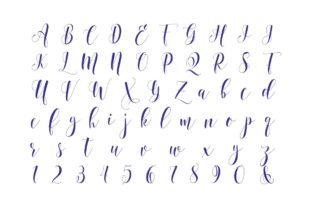
When you’re looking for a cross stitch alphabet to personalize a gift or create a product for your small shop, the first impression matters. This Cross Stitch Alphabet presents itself with a straightforward, classic feel. The characters are clear and uncluttered, giving off a mood of neat craftsmanship rather than playful whimsy. Its personality leans toward timeless and versatile, which is exactly what you need for projects that should feel carefully made rather than hastily decorated.
Where This Alphabet Finds Its Natural Home
I immediately picture this design on heirloom-quality items. Think of a linen pillow cover for a wedding gift, with a couple’s initials stitched neatly in the corner. Or a set of kitchen towels monogrammed for a boutique’s holiday collection. The clean lines suggest it would be excellent for nursery decor, where you want the baby’s name to look sweet but not overly fussy. For a craft business, this alphabet is a reliable asset for creating personalized tote bags or aprons—items where the customer expects a clean, readable finish.
The Practical Reality of Stitching It Out
Based on the description, the capital letters being approximately 52 stitches tall on 14-count fabric gives you a solid starting point. That height, around 3 to 4 inches, is substantial. It means this alphabet commands attention without being gargantuan. On a sweatshirt cuff or a cap’s curved surface, that size is workable but requires careful planning. You’ll need a hoop that can comfortably handle the width of your chosen word or phrase.
On light-colored, stable fabrics like cotton twill or linen, this alphabet will shine. The stitch density implied by a classic cross stitch pattern should result in a satisfying, full coverage. However, on stretchy fabric like a t-shirt or thin fabric like a delicate baby blanket, you must be diligent with your stabilizer choice. A misplaced stitch on a single letter can throw off the entire alignment, so testing on scrap fabric is non-negotiable.
Navigating the Tricky Terrain of Dark Fabrics
A special note for working on dark backgrounds: this alphabet’s clarity depends entirely on your thread color contrast. Using a bright white or a pale pastel on a navy sweatshirt will look striking, but you must ensure every stitch is perfectly placed. Any gaps in the fill will be more visible against the dark fabric. For a commercial embroidery project aiming for high-value appeal, this demands extra attention during the stitching process.
How This Design Elevates Your Product’s Value
From a designer’s perspective, using a coherent, well-proportioned alphabet like this directly impacts customer trust. When a personalized gift features evenly spaced, legible letters, it communicates professionalism. It tells the buyer that you, the maker, understand quality. For an Etsy seller, this translates into better photos for your listings, more positive reviews, and a stronger brand consistency across your embroidered products.
The giftability of an item monogrammed with this alphabet is high. It feels considered. A blanket with a baby’s name stitched in this style becomes a keepsake. A custom embroidered tote for a client’s business branding looks intentional and clean, not like a last-minute addition. This visual appeal supports a higher price point because the finished product looks skillfully executed.
Points for Careful Consideration
While versatile, this alphabet is not a one-size-fits-all solution. Its size makes it less ideal for projects with very small hoop sizes or items requiring tiny lettering, like the corner of a handkerchief. The detail level is balanced, but if your project fabric is heavily textured, like a waffle-knit blanket, some of the clean letter edges might soften—which could be a charming effect or a detriment, depending on your goal.
For products destined for frequent washing, such as baby clothes or kitchen linens, the durability of your stitching technique will be paramount. A robust cross stitch pattern like this, when stitched with quality thread and secured properly, should hold up well, adding to the item’s handmade presentation as a durable good.
A Real Scenario: Preparing a Boutique Tea Towel Set
Imagine you’re preparing a set of tea towels for your small shop’s spring launch. You plan to stitch “Fresh” on each one in this Cross Stitch Alphabet. You’d test the word on a scrap of similar linen first, checking the thread color against the fabric. You’d confirm your hoop can accommodate the word’s total width. You might stitch one complete towel, then wash and dry it to see how the stitches settle before committing to the full batch. This practical step saves materials and ensures your final product meets your—and your customers’—standards.
Essential Designer Notes Before You Begin
Always, always test first. Stitch a single capital letter, perhaps the ‘A’, on a piece of scrap fabric that mimics your final project’s material. This reveals the actual stitch density and lets you inspect small details like the corners of letters.
Check thread color contrast not just in your mind, but physically. Lay the thread on the fabric. View it in different lights. Create simple black and white mockups of your planned finished product to assess the layout’s balance. For commercial projects or selling the finished items, confirm the licensing terms of the pattern. Can you use it for commercial embroidery, or is it for personal use only? This is a crucial step for craft business owners and digital product sellers.
Use proper stabilizer for the fabric type, especially for stretchy or thin bases. This preserves the alphabet’s clean shape. Remember, on curved surfaces like caps, the layout might need slight adjustment to appear centered from the wearer’s perspective.
Finally, consider the broader application. This Cross Stitch Alphabet could be a core design asset for your craft business. It can be used across product lines—from baby embroidery to holiday embroidery—creating a cohesive look for your brand. Its strength is in its clarity and classic form, making it a trustworthy tool for turning a simple pattern into a meaningful, personalized gift or a professional-looking handmade product.