A Modern Rooster Cross Stitch Pattern for Real Projects
As someone who stitches for clients and for my own small business, I’m always looking at patterns with a practical eye. It’s not just about whether a design is pretty—it’s about how it performs when the needle hits the fabric, and what kind of finished product it creates. Today, I’m thinking about the Rooster Modern Cross Stitch Pattern, a digital graphic that promises a lot of character in a relatively compact size. Let’s walk through what this means for you as a crafter, an entrepreneur, or someone making a heartfelt gift.
The Personality in the Pattern: First Impressions
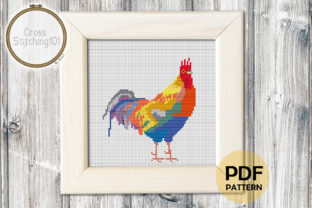
This rooster design immediately strikes me as contemporary and bold. It leans away from the overly rustic or folk-art style you often see in animal motifs, opting instead for a cleaner, more graphic personality. With 34 DMC colors listed, it’s detailed but not overwhelmingly complex. The layout feels balanced, and the rooster itself has a confident, almost playful stance. The mood it creates is one of vibrant, modern charm—perfect for projects that need a pop of personality without being overly sentimental. I can already picture it on a crisp kitchen towel in a boutique or as a focal point on a child’s bag.
Where This Rooster Finds Its Home: Project Fit
Imagine you’re preparing a custom order for a client who loves farmhouse decor but with a modern twist. They’ve requested an embroidered tote bag for a friend. This rooster pattern, at its finished size of roughly 4.64 by 5.21 inches on 14-count fabric, is an ideal candidate. It’s substantial enough to be a main feature but not so large that it dominates the entire bag. The color palette, while extensive, suggests a rich, textured final piece that will catch the eye.
Beyond tote bags, this design naturally fits into a range of products. A single-color sweatshirt with this rooster stitched on the chest would be a fantastic handmade shop item. For baby items, like a nursery pillow cover, the rooster’s friendly vibe works well, though you’d want to ensure the fabric is sturdy enough for the stitch density. As a patch, it would be statement-making, but you’d need to consider the finishing edges. For holiday gifts—think a personalized apron for a cooking enthusiast—it feels unique and thoughtful. In a craft fair setting, a series of tea towels featuring this design would likely draw attention for their clear, professional-looking craftsmanship.
Thinking Through the Stitching Process
The pattern details specify any fabric you like, which is both liberating and requires careful judgment. On a smooth, tight-weave cotton for a pillow cover, the 65 by 73 stitch count will render beautifully. However, on a more textured fabric like a burlap tote, the finer details might get a little lost unless you’re meticulous with your tension. Stretchy fabrics, like for a t-shirt, demand excellent stabilizer to prevent distortion in those detailed corners. Dark fabrics would require you to carefully check the thread color contrast—some of those 34 colors might not pop as intended against a navy or black background.
For curved surfaces like caps, the size is manageable, but the rectangular shape might need some layout adjustment to fit the curve gracefully. This is a design where testing on scrap fabric first is absolutely advised. Run through a few of the key color transitions to see how they blend on your actual project fabric.
Practical Considerations for Business and Gifting
When you’re selling finished products or using a design for client work, the clarity and appeal of the final stitch directly impact customer trust and your brand’s reputation. This rooster pattern, when executed well, results in a piece that looks intentionally handmade—professional and polished. That builds buyer engagement and repeat business. For giftability, it scores high; it’s recognizable as a rooster but unique enough to feel special, avoiding the generic.
If you’re an Etsy seller or digital product creator offering printable mockups, this pattern as a graphic asset is clean and would show well in a digital preview. However, always confirm the licensing terms provided with the pattern before selling finished items commercially. The product details provided don’t explicitly outline license terms, so that’s a step you must not skip.
Spots Where This Design Requires Extra Care
While the pattern is versatile, some applications need a mindful approach. Tiny hoop sizes might be challenging given the stitch count; you’d want a hoop that comfortably accommodates the full dimensions to avoid cramped stitching. Very thin fabrics, like lightweight linen, could be overwhelmed by the stitch density, potentially causing puckering unless stabilized perfectly. Products destined for frequent washing, like kitchen towels or baby clothes, need robust stitching—consider using all six strands for durability in key areas.
The detail level is a strength, but it means you shouldn’t rush. Inspect the small details in the pattern preview carefully; areas with many color changes will take time but reward you with depth. Before committing to a large batch for your small shop merchandise, stitch one complete sample. View it in both natural and artificial light to ensure the color story holds up.
A Designer’s Final Notes
My overall take on the Rooster Modern Cross Stitch Pattern is positive for practical use. It’s a design with character that translates well into a tangible, valuable finished product. To make it work for you:
- Start with a scrap fabric test to check color contrast and stitch appearance.
- Confirm your hoop size can handle the 11.82 x 13.27 cm area comfortably.
- If working on dark or textured fabric, consider a slightly brighter thread palette for key sections.
- Use proper stabilizer for apparel or stretchy projects to maintain clarity.
- For commercial projects or selling finished items, verify the licensing directly.
- Think about your end product—this design excels on home decor, statement apparel, and personalized gifts where its modern vibe can shine.
In the end, a pattern is a blueprint. This rooster gives you a solid, engaging blueprint to build something real—something a client will cherish, a customer will buy, or a friend will gratefully receive. That’s the real test, and this design seems ready for it.