A Modern Deer Head Pattern for Cross Stitch Projects
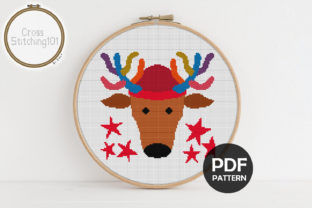
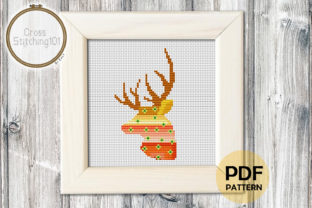
When you’re selecting a new cross stitch pattern for a client project, a product for your handmade shop, or even a personal gift, the first impression is crucial. This Deer Head Pattern gives a very specific, and very appealing, first impression. It’s clean, modern, and graphic. The silhouette is strong and recognizable without being overly rustic or cluttered with detail. That matters. It creates a mood that’s contemporary, quietly natural, and versatile. It feels like a design that belongs on a well-made object, not just a pattern to fill time.
Where This Deer Head Design Finds Its Home
I immediately picture this stitched onto a high-quality cotton tote bag for a boutique. The size—roughly 6.5 by 11.8 cm—is perfect for a statement piece on bag canvas or the chest of a linen apron. It’s substantial enough to be noticed but not so large it dominates a baby’s romper or a kitchen towel. For a crafter or small business owner, that versatility is key. You can imagine a line of products: the deer head on a beige sweatshirt, a forest-green pillow cover, a neutral-toned tea towel. It lends a cohesive, branded look across different items.
The use of 22 DMC colors suggests a design with nice depth, not just a flat graphic. That level of color variation allows the finished piece to have a subtle dimensionality, which elevates it from a simple shape to a more engaging artwork. In a real-life scenario, like preparing a custom embroidered wedding gift—say, a set of pillow covers for a couple who love modern cabin style—this pattern would stitch up into something that looks considered and professional. It’s the kind of detail that makes customers feel they’re getting a premium handmade product.
Practical Performance on Real Fabrics and Products
For real embroidery work, the 36 by 65 stitch count is a manageable scope. It won’t take an eternity, which is important for business viability, but it’s detailed enough to feel worthwhile. On apparel like t-shirts or sweatshirts, I’d advise using a good stabilizer, especially given the height. On stretchy fabrics, those 65 stitches in height need support to prevent distortion after washing. For caps or curved surfaces, the design’s rectangular shape might require careful positioning, but the clean lines should adapt well without losing clarity.
The instruction “Any fabric you like” is liberating but also a cue for you, as the maker, to be strategic. This design will sing on fabrics with a smooth, tight weave like linen or high-count cotton. On highly textured fabrics or very dark backgrounds, some of those 22 colors might lose their contrast. Always test on a scrap first. A quick stitch on a light and a dark remnant will show you how the color palette performs and whether you need to make minor adjustments for your specific project fabric.
Considerations for Commercial Use and Customer Appeal
If you’re an Etsy seller or creative entrepreneur, this pattern’s modern graphic personality translates well into digital product previews and printable mockups. It has a clear, recognizable shape that looks appealing in a listing photo. That visual clarity builds customer trust—they can easily see what they’re buying. For a craft fair product, like an embroidered patch or a set of holiday-themed kitchen towels, the deer motif is timeless and seasonally flexible, fitting both autumn and winter gift markets.
The value here is in its finished presentation. A neatly stitched version of this pattern on a product communicates craftsmanship. It doesn’t look hastily chosen; it looks curated. That consistency can bolster your brand if you specialize in nature-inspired, modern designs. For personalized gifts, adding a name or date beneath it would be simple and effective, making the piece feel unique without overwhelming the main artwork.
Designer Notes for a Successful Project
Before committing thread to your final project, do a small sample. Check the stitch density on your chosen fabric—is it too dense for a thin baby garment? Inspect the small details in the pattern PDF; are there tiny corner stitches that require extra care? Compare how it looks in a simple black-and-white mockup; does the silhouette hold up if color isn’t visible? This is about avoiding surprises.
Always, always confirm the licensing terms for this cross stitch pattern before selling finished items or commercial embroidery projects. The product type is listed as Graphics, and it’s an instant download PDF, but the specifics are your responsibility to verify. This protects your business and respects the designer.
For machine embroidery designers considering an adaptation, the clean shapes and defined color areas could inspire a nice satin stitch or fill stitch interpretation, but always start from the licensed source file.
A Pattern That Elevates the Finished Product
In the end, the Deer Head Pattern Modern Cross Stitch succeeds because it feels designed for an end product. It’s not just a pattern; it’s a blueprint for a quality embroidered item. Whether you’re stitching it onto a tote bag for your small shop merchandise, a pillow for a client’s nursery decor, or a cap as a personalized gift, the result will have a professional, intentional look. That’s the mark of a good design pattern: it makes your hard work shine, and it makes the customer’s experience feel special. It’s a solid, practical choice for makers who care about the final impression.