A Craft Fair Seller's Review of Mushroom House Cross Stitch
The First Impression: Modern, Whimsical, and Immediately Sellable
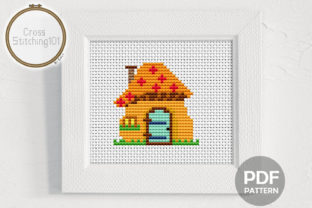
When evaluating a pattern for craft fair products, the first glance is crucial. The Mushroom House Modern Cross Stitch pattern lands squarely in a sweet spot between whimsical charm and modern simplicity. It feels nostalgic yet fresh, perfectly suited for today’s market that loves cottagecore aesthetics without being overly rustic or fussy. The small footprint and limited color palette signal a design that is approachable for customers and practical for you, the maker. It doesn’t scream "festive" or "funny," but whispers "decorative" and "premium" in a soft, engaging way.
Where This Pattern Shines on Physical Products
My immediate thought, when planning a booth display, is where a design will have maximum impact. For Mushroom House Modern Cross Stitch, its compact size and clear focal point make it incredibly versatile.
Tote Bags and Market Bags: This is a top contender. The design is large enough to be a central feature on a bag pocket or front panel, yet small enough not to overwhelm. It adds a handmade, artistic touch that elevates a simple bag into a boutique maker product.
Tea Towels and Aprons: In the kitchen category, this pattern is a winner. It provides a delightful accent on a towel corner or an apron bib. The earthy, homey theme aligns perfectly with farmhouse-inspired kitchenware, making it feel cohesive and intentional.
Pillow Covers and Small Pouches: As a focal point on a small pillow or a fabric pouch, the Mushroom House design creates a giftable, complete item. It tells a little story, which customers love for unique handmade gifts.
Embroidered Patches and Caps: Here, careful consideration is needed. At approximately 2 inches square, the pattern’s density and 13 colors could translate beautifully into a detailed, premium patch. However, on curved surfaces like caps, you must ensure stabilizer is used correctly to maintain clarity. It might be perfect for a flat, structured cap front.
Practical Production Notes for Batch Selling
As an experienced embroidery designer, my review always turns to practicality. Can I produce this reliably for a weekend fair?
Understanding at a Glance: The Mushroom House scene is instantly recognizable—a charming house nestled under a mushroom cap. This is a huge selling advantage. Customers at a busy fair understand the product quickly, which speeds up decision-making.
Batch Repeatability: With 13 DMC colors, the pattern is manageable for repeat production. It’s not overly complex, suggesting you can stitch multiple versions without constant color chart confusion. This is key for creating a small inventory of finished products like towels or pouches.
Photography for Online Listings: This design will photograph beautifully for your Etsy shop or digital sales. The defined shapes and color blocks provide clear contrast, making your handmade product look professional and crisp in listing photos. Creating a real, physical mockup is essential to showcase its texture.
Critical Considerations for Quality Results
Always test before committing to batch production. Here are my specific notes for Mushroom House Modern Cross Stitch.
- Stitch Density and Small Details: With 29 by 28 stitches in a small area, the design may have dense sections. Test it on scrap fabric first to ensure the fabric can handle the stitch count without distortion, especially on textured items like tea towels.
- Thread Contrast: Review the 13-color palette. Ensure there is sufficient contrast between elements (like the house and the mushroom) so the design remains distinct, particularly if you experiment with fabric colors.
- Fabric and Hoop Size:The pattern states "any fabric you like," but your choice matters. For a crisp finish on tote bags, use a tight-weave cotton. For a softer look on pillow covers, linen might be ideal. Confirm the hoop size needed to accommodate the entire design comfortably.
- Dark Fabric Adaptation:If stitching on darker fabrics for caps or bags, check that the floss colors pop. Some shades in a 13-color palette might need substitution for better visibility.
Boosting Booth Appeal and Customer Engagement
This pattern isn’t just about the stitch; it’s about the story it tells on your table.
Visual Appeal and Attention: In a booth filled with products, a cohesive theme strengthens your display. A series of items—a tote, a towel, a pouch—all featuring the Mushroom House Modern Cross Stitch creates a mini-collection that draws the eye. It suggests brand consistency and thoughtful curation.
Product Value and Handmade Quality: This design inherently feels like a crafted art piece. When stitched neatly, it communicates skill and care, justifying a premium price point compared to a generic graphic. It turns a basic apron into a specialty apron.
Buyer Engagement:The whimsical theme invites conversation. It’s a friendly, approachable design that customers might comment on, giving you a natural opening to discuss your process and the pattern’s charm.
Final Designer Advice Before You Sell
- Create at least one finished physical product as a booth sample. Seeing the Mushroom House Modern Cross Stitch in thread and fabric is the best sales tool.
- If using for commercial embroidery products, verify the licensing terms of the digital pattern for resale of finished items. Never assume.
- Compare how the design looks on different fabric colors—off-white, natural linen, even a soft sage—to offer variety at your fair.
- Use the proper stabilizer, especially for items like bags or caps, to prevent puckering and preserve all those lovely details.
- Remember, the pattern size is given as approximately 2 inches. Consider if you want to enlarge it for specific applications, though this may alter stitch density and material requirements.
In summary, the Mushroom House Modern Cross Stitch pattern is a strong, sellable asset for any craft fair seller or small shop owner. It blends modern whimsy with practical production needs, offering a versatile design that can elevate a range of handmade products. With careful testing and a focus on quality execution, it can become a standout, engaging part of your handmade market offerings.