A Bold Tiger Head Cross Stitch Review for Craft Fair Success
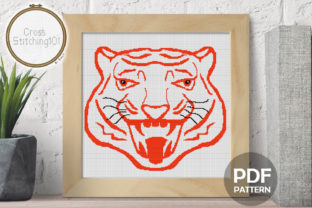
As an embroidery designer preparing for a weekend craft fair, my first task is to evaluate new designs based on their real-world selling potential. Today, I’m reviewing the Roaring Tiger Head Modern Cross Stitch pattern. The immediate impression from the title and description is a design that is bold, modern, and graphic. With only three DMC colors listed, it leans towards a minimalist yet powerful aesthetic, which is a strong trend in current handmade markets.
First Impressions and Booth Appeal
This tiger head design is not cute, rustic, or farmhouse; it’s a statement piece. In a booth crowded with items, a bold animal graphic like this has a high chance of stopping a customer. It conveys energy and strength, which can translate well into products for a specific buyer—someone looking for a decorative piece with personality, not just a soft accent. For visual appeal at a craft fair, this pattern needs to be showcased on products where its graphic nature can shine without being diminished by busy fabrics or competing designs.
Practical Application on Handmade Products
Let’s walk through how the Roaring Tiger Head Modern Cross Stitch might perform on typical craft fair products. The given size of approximately 14 by 12 inches makes it a substantial focal design, not a small accent.
Tote Bags and Market Bags
This is likely its strongest application. A large, roaring tiger head centered on a canvas tote bag creates an immediate, high-value handmade product. The three-color scheme ensures it won’t look muddy, and the graphic style feels modern and premium. For production, ensure the fabric is sturdy enough to support the stitch density without puckering.
Pillow Covers and Pillow Inserts
Another excellent fit. A pillow with this design becomes a decorative statement piece for a living space. It photographs exceptionally well for online listings like Etsy, as the clean lines and bold contrast are clear even in small thumbnail images. This is a product that can elevate a booth’s display, suggesting quality and confident design choices.
Aprons and Kitchen Towels
Here, caution is needed. While a tea towel or apron with this design could be striking, consider the fabric texture. A textured towel might obscure the clean lines of the design. Also, the large size may overwhelm the functional area of an apron. It might work best as a singular decorative apron for display, not as a batch-produced item.
Embroidered Patches and Caps
The pattern description does not specify a smaller version, so adapting this for a patch or cap requires significant scaling down. At a small size, the roaring detail and any intricate lines could lose clarity, becoming a blob of color. This is a crucial careful-use note: test on scrap fabric first if you plan to scale it. For a curved cap surface, the large size is likely impractical.
Fabric Pouches and Giftable Items
On a small pouch, this design would dominate the entire front panel, which could be very effective for a bold, giftable item like a pencil case or tech pouch. It feels less “soft” and more “decorative,” aligning with gifts for a modern aesthetic.
Production and Selling Considerations for Your Small Shop
Turning this digital embroidery file into profitable craft fair products requires practical planning.
Batch Production and Efficiency
The three-color scheme is a major advantage for batch production. Switching thread colors is minimal, making it more repeatable than a design with 15 colors. However, the stitch count (196w x 172h) suggests a dense area. This means each item will take considerable time. You must price accordingly to reflect the handmade labor. For a craft fair, having a few finished premium items like pillow covers alongside quicker-to-produce items is a smart mix.
Photography and Online Sales
For Etsy sellers and digital sellers using printable mockups, this design is a winner. Its graphic nature looks crisp in mockups and real photos. Strong contrast against a light fabric (like off-white linen for a pillow) will make your listing stand out. Always create at least one real mockup to photograph for authenticity; customers at fairs and online appreciate seeing the true handmade quality.
Booth Display Strength and Customer Engagement
At the fair, display this design on the product where it looks best—probably a tote bag or pillow. Use it as a centerpiece. Its boldness creates a talking point. It attracts customers who appreciate modern, graphic art, potentially building consistency for a brand that leans towards strong, animal-themed or minimalist designs.
Critical Embroidery Designer Notes Before You Stitch
Before you commit to producing inventory, here are essential steps from a production perspective.
Test on Scrap Fabric First: Always stitch a sample on the exact fabric you plan to use for your final product, especially if using textured towels or dark fabric. Check the thread contrast—do the three DMC colors pop as expected?
Review Hoop Size and Stabilizer: The pattern size implies a large hoop. Confirm your machine hoop can accommodate it and that you’re using the correct stabilizer for the fabric weight to prevent distortion, especially on items like tote bags.
Inspect Stitch Density and Detail: Stitch the sample and look for any areas where dense stitching might cause fabric pull or where tiny details might blend together. This is vital for maintaining clarity.
Compare Fabric Colors: Try the design on a few different background colors (white, black, natural linen) to see which maximizes visual appeal and customer attention.
Confirm Licensing for Commercial Embroidery: The product is listed as a Cross Stitch Pattern and Graphics. Before selling any finished products, you must verify the license terms of this digital download. Ensure it permits commercial use of the embroidery file on the handmade products you intend to sell. This is a non-negotiable step for any serious small shop product or commercial embroidery business.
Final Judgment for the Craft Fair Table
The Roaring Tiger Head Modern Cross Stitch is a high-impact design with excellent potential for specific premium products. It is not a versatile, all-purpose accent; it is a focal point. Its best chances to sell at a craft fair are on large, flat-surface items like tote bags and pillow covers where its modern, graphic boldness can be fully appreciated. It will attract a certain customer and can significantly boost the perceived value of your booth. However, its size and density require careful production planning and appropriate pricing. With the right product pairing and clear commercial licensing, this pattern can roar quite successfully on your handmade market table.