Evaluating Landscape with Tree Swing for Boutique Sweatshirts
When a boutique brand plans a limited apparel drop, the design choice is everything. It sets the mood, defines the brand voice, and ultimately decides if a customer connects. As an embroidery designer preparing a premium sweatshirt collection, I was tasked with evaluating the Landscape with Tree Swing Cross Stitch pattern. This isn't just about a graphic; it's about how a stitch pattern translates into wearable art that feels special, durable, and commercially viable.
First Impression: A Cozy, Rustic Narrative
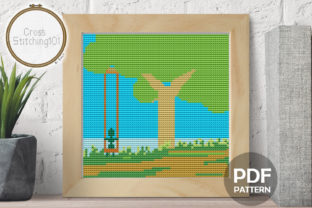
The title alone—Landscape with Tree Swing—evokes a specific, nostalgic mood. It’s playful yet peaceful, rustic with a touch of whimsy. For a small shop targeting customers who value handmade charm, this emotional hook is powerful. The layout, described as a 70 by 70 stitch area resulting in a roughly 12.73 x 12.73 inch design, suggests a substantial but not overwhelming focal point. This is key for apparel; it needs presence without feeling like a heavy poster on your chest. The 11 DMC colors indicated promise a gentle, blended color palette rather than stark, bold contrasts. My initial read is that this design leans feminine, decorative, and cozy-casual, perfect for brands building a lifestyle-oriented identity.
Application on Premium Sweatshirt Fabrics
Imagine this pattern stitched onto the chest of an oversized, neutral heather gray hoodie. The rustic landscape becomes a subtle statement, a personal emblem. On a dark fabric like charcoal or navy, the thread colors will need sufficient contrast to pop—a detail to verify with the specific DMC shades listed. On pastel sweatshirts—think soft blush or cream—the design would feel integrated and tender, almost like a vintage illustration sewn into the fabric. For a cozy seasonal apparel line, this pattern inherently carries an autumnal or serene spring vibe, making it versatile for year-round drops with the right color story.
Placement & Product Photography Impact
For hoodie chest placement, the size is ideal. It’s large enough to be recognized as a premium design element but won’t interfere with zippers or pockets. As a back design on a classic sweatshirt, it becomes a more dramatic feature, excellent for lifestyle product photography where the full detail can be showcased. A smaller, adapted version for a sleeve accent could work, but the original detail level might need simplification for clear readability at a reduced scale—a consideration for your embroidery file setup.
This is where stitch density and fabric thickness become critical practical concerns. Sweatshirt material is thick and textured. The 70x70 stitch count suggests a relatively detailed fill. To prevent puckering and ensure washing durability, a robust stabilizer choice is non-negotiable. The design must feel strong enough for commercial apparel use, meaning the stitching should be dense enough to withstand wear without looking sparse or fragile. Does Landscape with Tree Swing have that density? The pattern details provided don’t specify exact stitch counts per area, so testing on your actual sweatshirt fabric is essential before production.
Designer Concerns for Commercial Success
Beyond aesthetics, we must vet for production hurdles. The 11 thread colors are manageable, but contrast is key. If the palette uses similar-toned greens and browns, the beautiful blending might lose definition on textured fabric, making the tree swing element less distinct. Hoop placement for a large design like this on a curved sweatshirt panel requires skill to avoid distortion.
For small shop products, the finished look must justify a higher price point. A well-executed Landscape with Tree Swing embroidery on a premium sweatshirt elevates it from a generic garment to a handmade product. This directly affects product value and buyer trust. Customers see the craftsmanship, which reinforces your brand identity as a careful curator of details. In your Etsy listings or shop photography, using printable mockups or photos of a beautifully stitched sample creates immediate visual recognition and engagement. It tells a story.
A Final Note on Digital Assets & Brand Fit
As a digital embroidery file derived from a cross stitch pattern, the conversion process is paramount. The provided details state it’s a PDF pattern, likely for hand embroidery. For machine embroidery design application, you must ensure the file is expertly digitized to maintain the design’s integrity, managing stitch types and underlay for sweatshirt fabric. This is a crucial step not covered in the basic pattern details.
In summary, Landscape with Tree Swing Cross Stitch has immense potential for boutique brands seeking a decorative, story-driven design. Its mood aligns with casual, feminine, rustic aesthetics. However, its success on custom apparel hinges on practical testing: verifying color contrast on dark fabrics, ensuring stitch density for durability, and confirming the digitized file works flawlessly with thick fabrics and appropriate stabilizers. For a limited sweatshirt drop, it can be a signature piece that feels both nostalgic and fresh, adding significant value to your brand merchandise. Always remember to check the specifics—like exact stitch counts, recommended hoop size, and any license terms for commercial use—before committing to production. Your brand’s reputation is stitched into every piece.