Evaluating a Modern Cross Stitch Pattern for Personalized Gifts
As a designer running a personalized gift shop, every new embroidery pattern I consider is evaluated not just as a file, but as a future finished product in a customer’s hands. Today, I’m reviewing the Modern Cross Stitch Pattern Africa PDF, imagining it stitched onto baby blankets, pillow covers, and keepsakes for my shop. My goal is to see if it holds that special blend of artistic charm and practical durability that turns a simple project into a treasured gift.
First Impressions: A Design Full of Joy and Movement
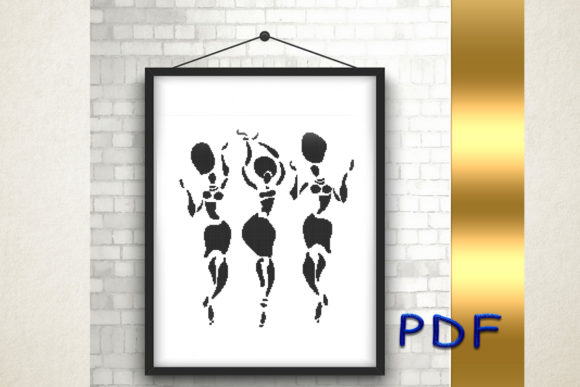
The moment I opened this digital embroidery file, its mood was clear: it’s celebratory, warm, and elegantly modern. The central figure in a dance pose exudes a sense of joy and freedom, making it far more than a simple graphic. The detail level, with its flowing lines and symbolic elements, creates strong emotional appeal. It feels handmade, sweet, and deeply meaningful—perfect for gifts meant to convey connection and culture. It isn't overly playful or seasonal; instead, it has a timeless, classic quality with a contemporary execution, which is ideal for products that should last for years.
Versatility in Personalized Gift Creation
This pattern’s charm unlocks a wide range of applications for crafters and sellers. For baby embroidery, it would be stunning on a nursery wall hanging or a personalized baby blanket, offering a beautiful cultural connection. As a wedding gift, stitched onto a pillow cover or framed keepsake, it symbolizes joy and new beginnings. It’s equally suited for family keepsakes, personalized towels, custom tote bags, and aprons—any item where a story matters.
For small business owners, this Modern Cross Stitch Pattern Africa PDF is a strong candidate for craft fair products, Etsy listings, and custom order previews. The design’s inherent meaning boosts its perceived value. In product photography, the finished stitch work would showcase clear handmade quality, fostering customer trust and engagement. A customer looking for a gift with an emotional connection—perhaps for a birth, a wedding, or a housewarming—would be immediately attracted to the narrative this piece tells.
Practical Considerations for Perfect Results
While the design is beautiful, its successful application depends on mindful execution. The pattern dimensions suggest a substantial piece. On 14-count Aida, the finished size is suitable for focal points on items like pillow covers or blanket panels. However, certain applications require extra care.
- Small lettering or delicate details: Always check these areas on scrap fabric first to ensure clarity.
- Textured or dark fabric: The design’s integrity depends on contrast. Test thread colors and consider using a stabilizer, especially on thick towels or stretchy baby clothes.
- Curved surfaces: Applying it to a rounded item like a hat would be challenging; flat surfaces like bags or framed pieces are ideal.
- Products needing frequent washing: For embroidered towels or aprons, secure stitching and durable thread are paramount. A test wash on a sample is essential.
The pattern’s stitch density appears robust, which is good for coverage but means it’s not a quick, lightweight fill. This contributes to a premium look on the final product.
Enhancing Giftability and Customer Trust
Using this design for custom embroidery directly impacts giftability. A finished piece feels like a curated, thoughtful object, not a generic item. This perceived handmade quality builds an emotional connection between the buyer, the gift recipient, and your shop. For Etsy sellers and small shop products, offering this pattern as a customization option can elevate your entire brand’s aesthetic. Clear, high-quality photos of the stitched design—perhaps on a pillow or blanket—will drive buyer engagement more than a digital mockup alone.
Essential Embroidery Notes Before You Stitch
Before committing this pattern to a customer’s order, I follow a personal checklist. These steps save time, materials, and ensure commercial success if you’re selling finished products.
- Test on scrap fabric: Use the same material and count as your final product to check for any distortion.
- Check thread color contrast: Especially if deviating from the suggested palette or stitching on dark fabric.
- Confirm your hoop size: The project dimensions require a hoop that can comfortably hold the entire working area.
- Review stitch density in key areas: Ensure small symbolic details remain distinct after stitching.
- Use proper stabilizer: This is critical for fabrics like towels or stretchy baby clothes to prevent puckering.
- Compare light and dark fabric mockups: Even if just digitally, to visualize the final product for different customer requests.
- Check small details after the first stitching pass: Some intricate lines may need a second look or a slight adjustment in technique.
- Confirm commercial licensing: If you plan to sell the finished embroidered products, verify the license terms of the digital embroidery file before starting any commercial production.
A Design for Meaningful Making and Selling
In my review for the gift shop, the Modern Cross Stitch Pattern Africa PDF stands out as a versatile and emotionally resonant digital product. It translates beautifully from a graphics file into a tangible heirloom. Its modern elegance makes it suitable for contemporary wedding gifts, while its warmth and charm make it perfect for baby embroidery and family keepsakes. For handmade sellers and baby product creators, it offers a way to infuse cultural appreciation into everyday items like towels, tote bags, and pillow covers.
The key to success lies in respecting its technical requirements—fabric choice, stabilizer use, and thorough testing—to preserve its lovely details. When executed with care, this pattern elevates the perceived value of any item it adorns, fostering trust and connection with customers who seek gifts with depth. It’s a design that invites the maker to create not just a product, but a story.