A Designer's Take on the Autism Puzzle Pieces Heart Cross Stitch
First Impression: A Symbol of Connection with Gentle Appeal
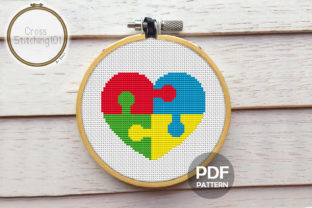
When I first opened the Autism Puzzle Pieces Heart Cross Stitch Pattern, my immediate reaction was a quiet appreciation. The motif combines two powerful symbols—the puzzle pieces representing autism awareness and the universal heart shape—into a cohesive, gentle design. It doesn’t shout; it invites reflection. The layout is clean and centered, making it inherently balanced for a finished piece. With a moderate stitch count and only four DMC colors noted, this isn’t an overwhelmingly complex project, which, from a designer’s viewpoint, is a practical advantage. It feels approachable for crafters of varying skill levels, yet the resulting image carries significant emotional weight.
The visual personality is thoughtful and inclusive. This isn’t just a decorative graphic; it’s a statement piece with a soft touch. For any embroidery designer or small business owner, that mood translates directly into product potential. It creates items that feel meaningful, not merely ornamental.
The Natural Habitat: Where This Design Lives in Real Projects
I’m picturing this stitched onto a soft, cream-colored sweatshirt for a client who requested a personalized gift for a teacher. The finished size, roughly 3.5 by 3 inches on 14-count fabric, makes it versatile. It’s substantial enough to be a focal point on an adult garment yet delicate enough for a child’s item. My mind goes through a real-life catalog: a tote bag for a fundraiser, a subtly embroidered patch on a backpack, a pillow cover in a supportive family’s home, or a kitchen towel in a neurodiverse-friendly space.
For boutique product lines or Etsy sellers, this cross stitch pattern is a ready-made asset for creating heartfelt merchandise. It fits seamlessly into niches like awareness products, personalized gifts, and niche home decor. The instant download format means I can quickly test it, stitch a sample, and list a finished embroidered tea towel or framed piece without a long development cycle. For apparel decorators, consider it for the left chest area of a polo shirt or centered on a cap—positions where its symbolic nature is clear but not overpowering.
Considering Texture, Scale, and Presentation
On textured fabrics like a linen apron or a waffle-knit blanket, the defined stitches will add a lovely tactile dimension. On baby clothes or finer fabrics, using a sturdy stabilizer behind the work area will ensure the stitches hold their shape without puckering the material—a crucial step for professional-looking finished products. The design’s clarity, with distinct puzzle pieces forming a heart, means it will remain recognizable even on slightly stretchy fabrics like t-shirts if executed with care.
Practical Points for Professional Use and Customer Trust
Using this pattern in a craft business elevates a simple item into a conversation piece. The value isn’t just in the handmade embroidery; it’s in the shared understanding it represents. That builds customer trust and engagement. When a buyer sees this on a pillow cover in your small shop, they’re seeing a product that aligns with a value, not just a pattern. That’s powerful for brand consistency for makers focused on inclusivity or support causes.
From a purely visual standpoint, the four-color palette keeps stitching clarity high. There’s no risk of colors blending into a muddy mess on the fabric. This is a design that will look crisp in a digital product preview or a printable mockup, showing potential buyers exactly what they’ll receive. Its giftability is inherent—it’s a thoughtful present for occasions far beyond holidays, suitable for weddings, new babies, or simply as a show of support.
Caution Areas: Where to Apply Designer Judgment
While the design is versatile, a professional eye notes a few scenarios for careful application. The size, while manageable, might feel cramped on very small hoop sizes if you’re working with tight margins. Those puzzle piece corners and the heart outline contain small details; on dark fabric backgrounds, you must meticulously check your thread color contrast during the test phase to ensure the definition doesn’t fade.
I would be cautious about applying it to products that will undergo frequent, harsh washing, like everyday kitchen towels or work aprons, unless you use robust threads and secure finishing techniques. The emotional resonance of the design means a faded or damaged finished product could feel disrespectful, not just worn. For curved surfaces like caps, the rectangular stitch area needs careful positioning to look centered and intentional.
Essential Designer Notes Before You Stitch or Sell
My standard practice for any design, especially one with this symbolic weight, is to test it on scrap fabric first. Use the exact fabric you intend for the final product—be it cotton for a tote, fleece for a sweatshirt, or Aida for a framed piece. This verifies hoop size compatibility, stitch density feel, and how the small details render.
Always review the provided files. The product description mentions three PDFs; examine them all to understand any variations or instructions included. Check whether the licensing allows for commercial use of finished physical products—a must for Etsy sellers and small shop owners. Never assume.
For color testing, don’t just trust the screen. Compare the recommended DMC threads on both light and dark fabric backgrounds. A quick black-and-white mockup can also reveal if the design’s contrast holds up structurally. Using proper stabilizer is non-negotiable for apparel or any fabric with stretch or texture to preserve the design’s integrity.
The Autism Puzzle Pieces Heart Cross Stitch is, ultimately, a well-conceived graphic. Its strength lies in its thematic clarity and execution-friendly format. For embroidery designers and creative entrepreneurs, it’s a reliable asset that can translate into deeply appreciated custom apparel, boutique merchandise, or personalized gifts. Your job, as the maker, is to bring it to life with the same thoughtful care its design implies.